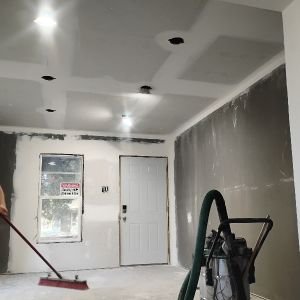
Optimal Timing for Shotcrete Installations
Determining the optimal time for shotcrete installations depends on various environmental factors. Weather conditions such as temperature, humidity, and precipitation significantly influence the quality and durability of the application. Typically, dry and mild weather conditions are ideal for shotcrete work, ensuring proper curing and adhesion.
Shotcrete is best applied when temperatures are between 50°F and 85°F, promoting proper curing and minimizing cracking.
Avoid installation during rain, snow, or extreme heat, as these conditions can compromise the integrity of the shotcrete.
Spring and fall are generally preferred seasons due to moderate weather, while summer and winter require additional precautions.
Proper planning around weather forecasts ensures optimal application conditions and reduces delays.
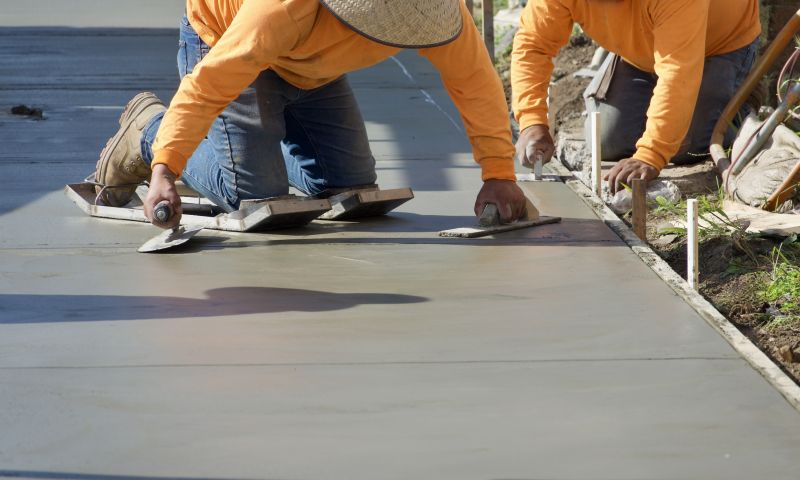
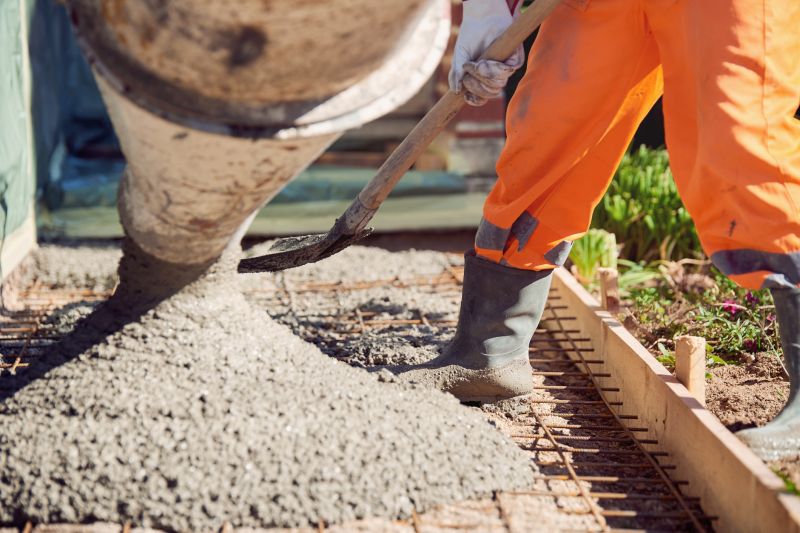
A professional crew applying shotcrete during optimal weather conditions.
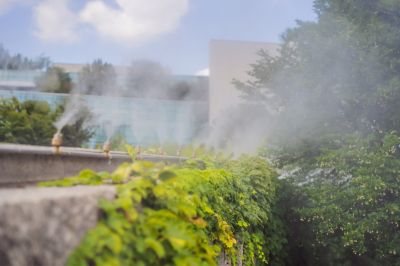
Monitoring weather to ensure ideal conditions for application.
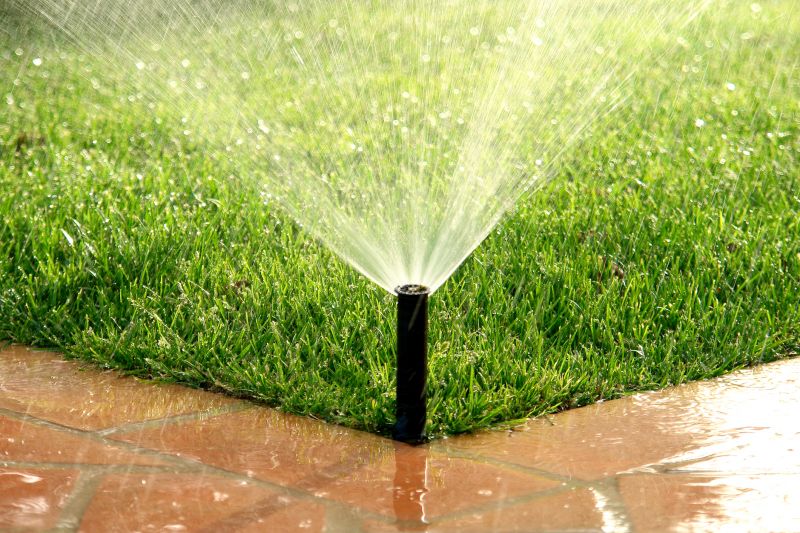
Spring offers moderate temperatures suitable for shotcrete work.
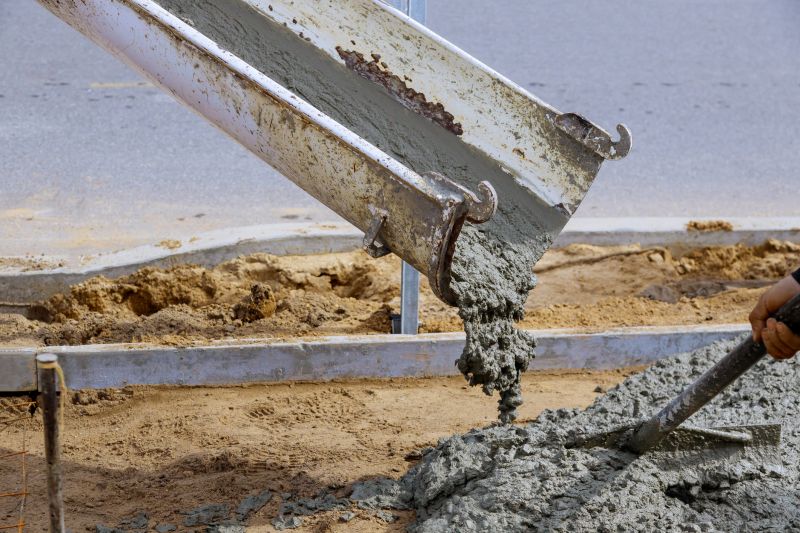
Ways to make Shotcrete Installations work in tight or awkward layouts.
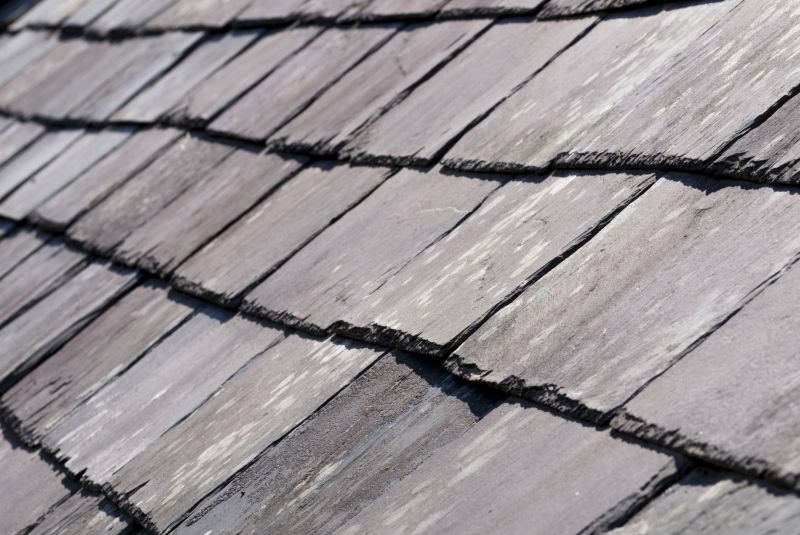
Popular materials for Shotcrete Installations and why they hold up over time.
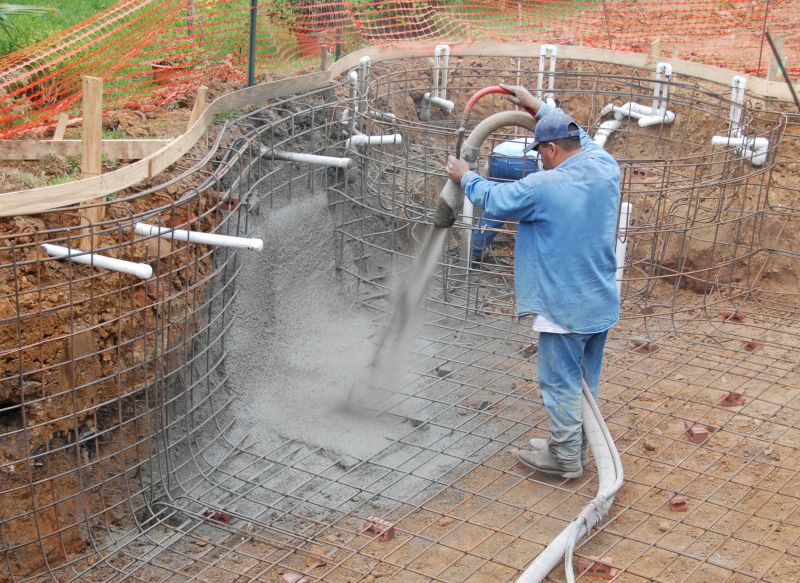
Simple add-ons that improve Shotcrete Installations without blowing the budget.
Shotcrete installations involve spraying a mixture of cement, sand, aggregate, and water onto prepared surfaces. This method provides high strength and flexibility, making it suitable for various structural and decorative applications. Proper timing ensures optimal curing, adhesion, and surface finish. Studies indicate that shotcrete structures can last for decades when applied under suitable conditions, with some structures exceeding 50 years of service life.
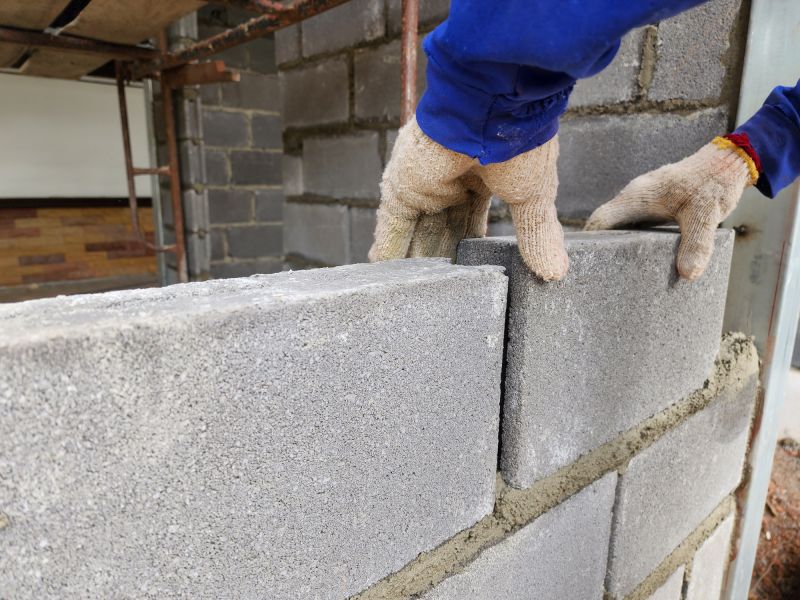
A crew applying shotcrete to a retaining wall.
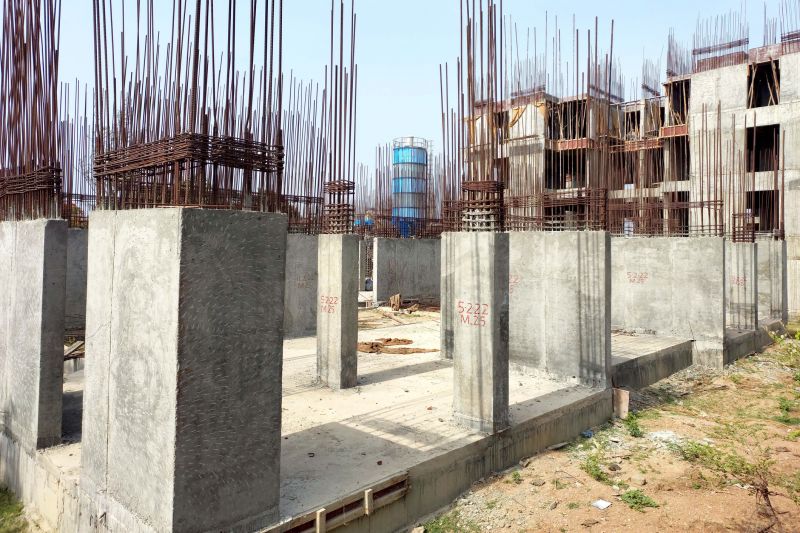
Shotcrete used for structural support in construction.
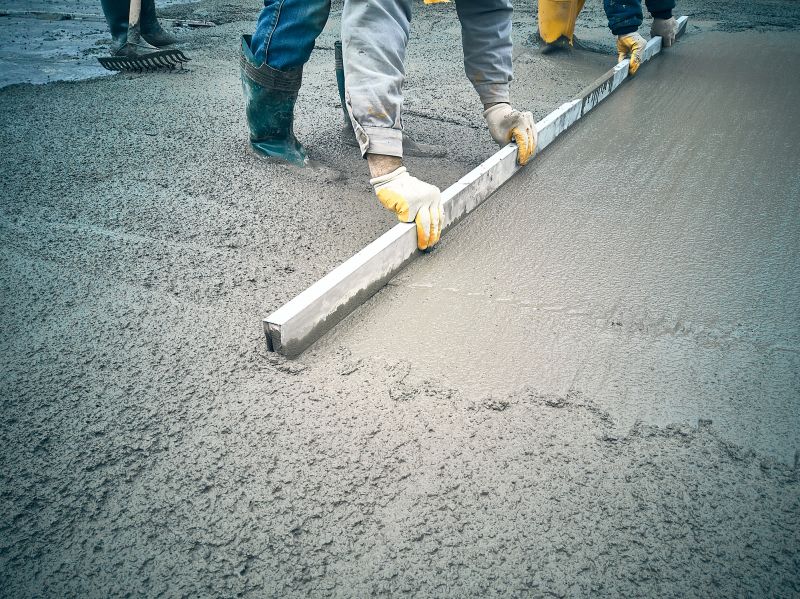
Finished decorative shotcrete surface.
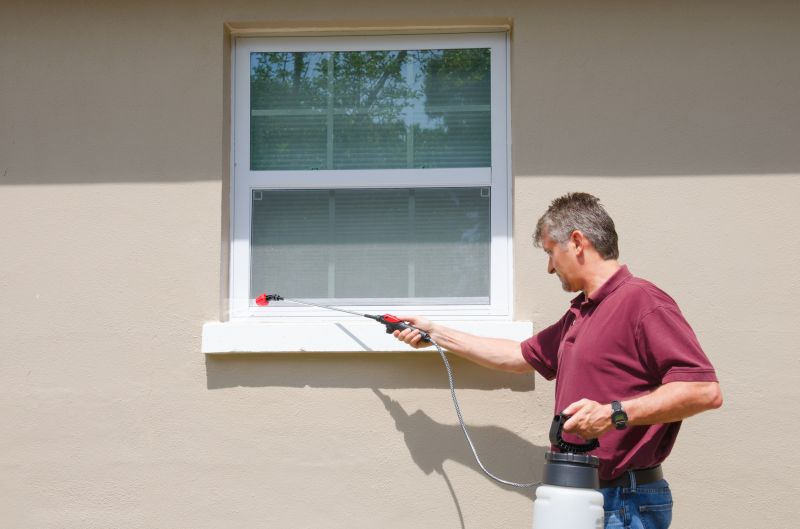
Controlling weather conditions during application.
High-end options that actually feel worth it for Shotcrete Installations.
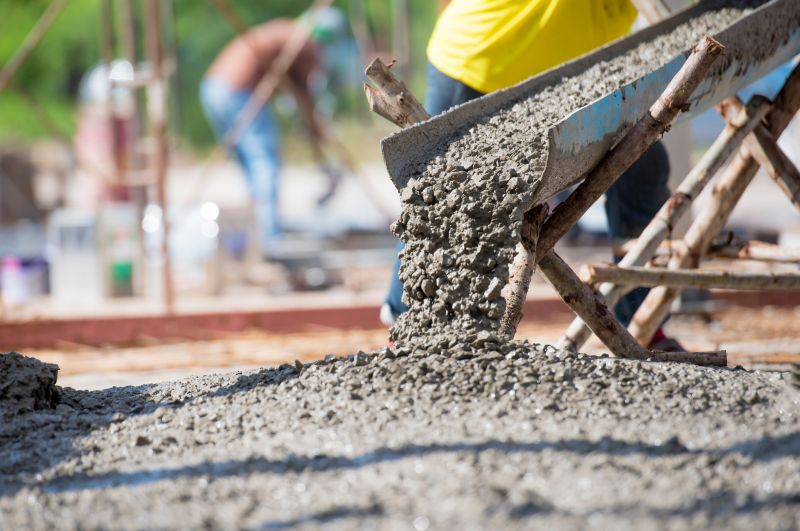
Finishes and colors that play nicely with Shotcrete Installations.
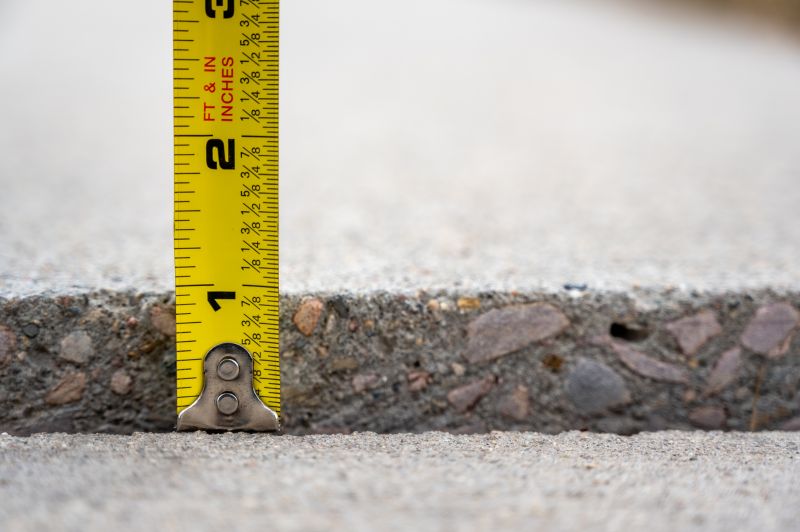
Little measurements that prevent headaches on Shotcrete Installations day.
A 60-second routine that keeps Shotcrete Installations looking new.
| Factor | Optimal Conditions |
|---|---|
| Temperature | 50°F to 85°F |
| Humidity | Moderate humidity levels |
| Precipitation | No rain or snow |
| Wind | Low wind speeds |
| Season | Spring and fall |
Selecting the right timing for shotcrete installations enhances the quality and longevity of the finished structure. Proper environmental conditions facilitate better adhesion, curing, and surface finish. Planning around weather forecasts and seasonal patterns is essential for successful application, especially in regions with variable climates.
For those interested in shotcrete projects, it is recommended to contact professionals to discuss optimal timing based on local weather patterns and project specifics. Proper scheduling ensures that the application meets durability and performance expectations.