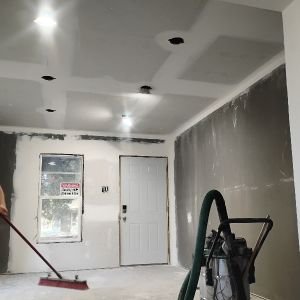
Get Concrete Wall Installation
Concrete wall installation services help property owners build or repair retaining walls, boundary fences, and structural enclosures to improve safety, privacy, and property value.
Concrete wall installation is a practical solution for property owners seeking durable and reliable boundary or structural enhancements. Whether planning to create privacy barriers, secure outdoor spaces, or add support to existing structures, many in the area consider professional installation to ensure the job is done correctly and efficiently. Exploring local contractors can help property owners compare options and find experienced service providers who understand the specific needs of the community and local conditions.
By reviewing available local contractors, property owners can gather information on the range of services offered and determine which professionals are best suited for their project. Taking the time to compare local options allows for informed planning and helps ensure that the project aligns with practical goals for security, privacy, or property value. Keep reading to discover how local service providers can assist with concrete wall installation needs.
- Residential boundary walls - homeowners may need this service to enhance privacy and define property lines.
- Commercial exterior walls - businesses might require durable wall installations for security and aesthetic appeal.
- Retaining walls - property owners often seek this work to prevent soil erosion and manage landscape levels.
- Interior partition walls - interior designers or property owners may look for concrete partitions to create functional spaces.
- Soundproof walls - clients may need this work to reduce noise transmission in residential or commercial settings.
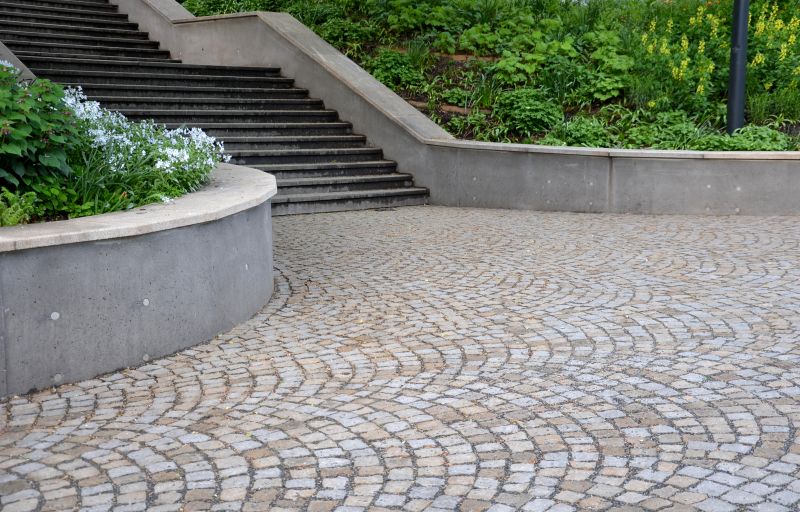
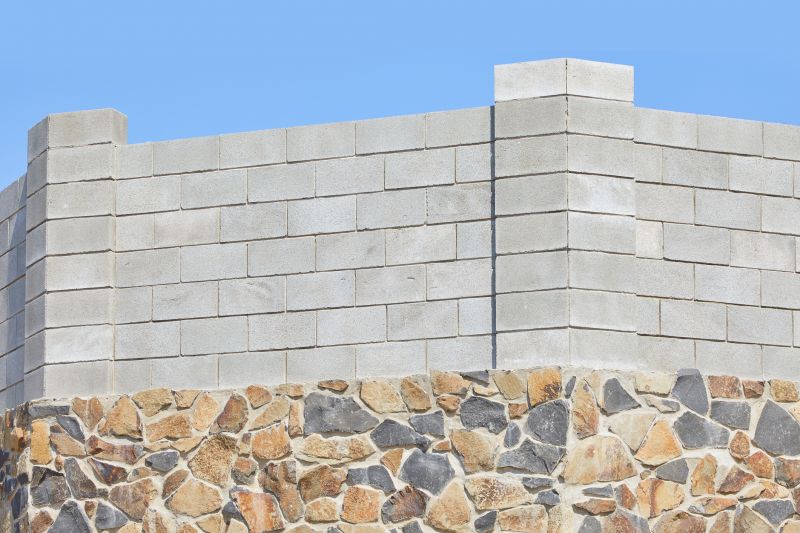
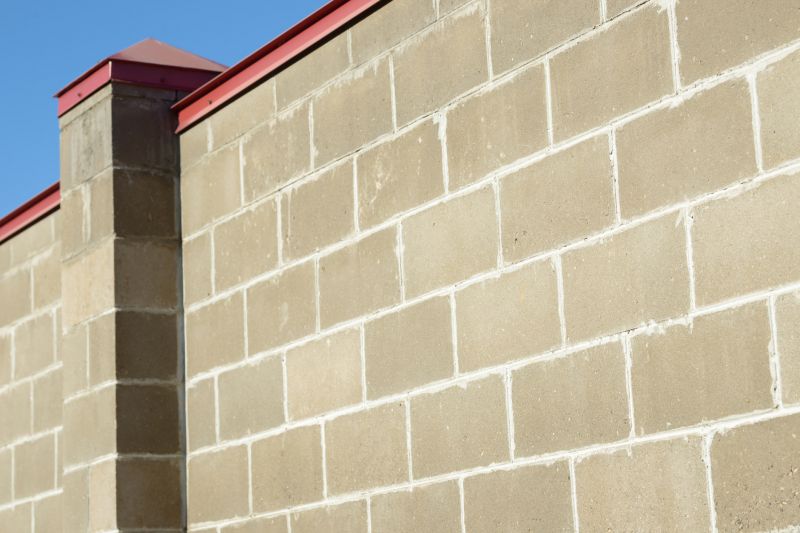
Concrete wall installation services involve constructing durable and stable walls using concrete materials. These walls can serve multiple purposes, such as creating secure boundaries around a property, providing privacy, or supporting landscaping features like retaining walls. Experienced local contractors typically handle the entire process, which includes preparing the site, pouring and setting the concrete, and finishing the surface to ensure long-lasting strength and appearance. This service is ideal for homeowners seeking a solid, low-maintenance solution for defining outdoor spaces or enhancing structural stability.
One common reason property owners seek concrete wall installation is to address issues related to soil erosion or uneven terrain. Retaining walls made of concrete help hold back soil on sloped land, preventing erosion and protecting landscaping investments. Additionally, concrete walls can serve as noise barriers or visual screens, reducing disturbances from neighboring properties or busy streets. These solutions are especially useful in areas with challenging topography or where a property needs to be fortified to prevent shifting or collapsing over time.
Concrete wall installation is often used in residential properties, but it also benefits commercial and industrial sites. Homeowners might choose concrete walls for backyard privacy, decorative fencing, or retaining purposes. Commercial property owners may utilize concrete walls for security fencing, boundary marking, or creating enclosed outdoor spaces. Industrial facilities often rely on concrete walls for perimeter security, noise reduction, and structural support. The versatility of concrete walls makes them suitable for a wide range of property types that require strong, durable, and long-lasting barriers.
Knowing when to consider concrete wall installation can help property owners solve specific problems or meet certain needs. For example, if a yard is prone to flooding or soil shifting, a retaining wall can provide stability. If privacy or noise reduction is a concern, a concrete wall can serve as an effective barrier. Similarly, properties that require a secure boundary or need to contain equipment or materials may benefit from this type of installation. Connecting with experienced local contractors can ensure the right solutions are implemented efficiently and effectively, tailored to the unique requirements of each property.
The overview below groups typical Concrete Wall Installation projects into broad ranges so you can see how smaller, mid-sized, and larger jobs often compare in your area.
In many markets, a large share of routine jobs stays in the lower and middle ranges, while only a smaller percentage of projects moves into the highest bands when the work is more complex or site conditions are harder than average.
Smaller Repairs - Typical costs for minor concrete wall repairs range from $250 to $600. Many routine patching and crack repairs fall within this range, depending on the extent of damage and wall size.
Standard Installations - Installing new concrete walls for residential or commercial projects usually costs between $2,000 and $5,000. Most projects in this category stay within this range, though larger or more complex jobs can be higher.
Retaining Wall Construction - Building a new retaining wall with concrete can range from $3,000 to $10,000 or more. Many typical projects fall into the middle of this range, with larger, more intricate designs reaching higher costs.
Full Wall Replacement - Replacing an entire existing concrete wall often costs $5,000 to $15,000 or more. Larger, more involved projects may exceed this range, though most service providers handle standard replacements within these bounds.
Actual totals will depend on details like access to the work area, the scope of the project, and the materials selected, so use these as general starting points rather than exact figures.
Retaining Wall Construction - requires similar skills in concrete mixing, form building, and structural planning as concrete wall installation projects.
Foundation Pouring Services - involves precise concrete work and site preparation skills that align with those needed for installing durable concrete walls.
Concrete Curb and Edging Projects - utilize comparable tools and techniques for shaping, pouring, and finishing concrete surfaces.
Concrete Slab Installation - shares planning, form setup, and finishing processes essential for creating level, stable concrete surfaces.
Garage Floor Coating - involves surface preparation and concrete finishing skills similar to those used in wall installation.
Concrete Repair and Restoration - requires expertise in concrete assessment, patching, and reinforcement, related to the skills used in new wall construction.
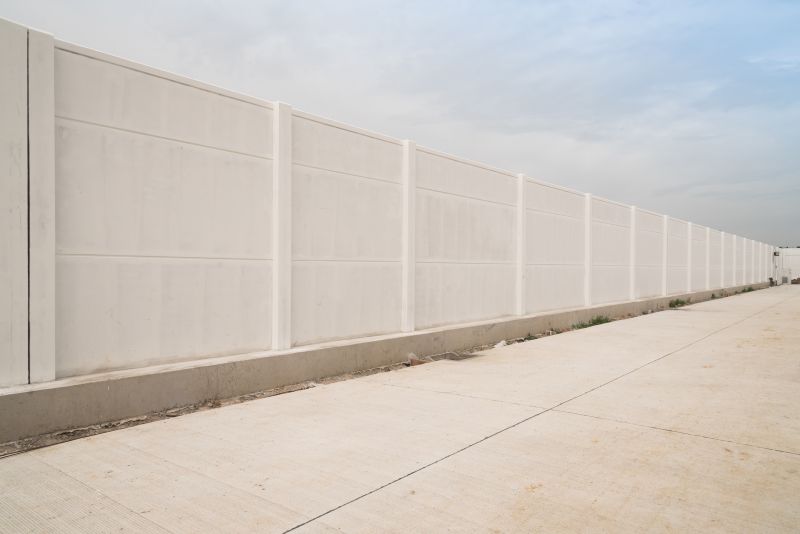
When evaluating contractors for concrete wall installation, it’s important to consider their experience with similar projects. Homeowners should look for service providers who have a proven track record of completing concrete wall projects comparable in scope and complexity. An experienced contractor is more likely to understand the nuances involved, such as site preparation, material selection, and proper installation techniques, which can contribute to a successful outcome. Gathering information about past projects or viewing a portfolio can help determine if a local contractor has the relevant expertise needed for the specific needs of the property.
Clear written expectations are essential when comparing local contractors. Homeowners should seek detailed proposals that outline the scope of work, materials to be used, and the estimated process involved. Having these details in writing helps prevent misunderstandings and ensures everyone is aligned on project goals. It’s also beneficial to ask for a straightforward explanation of the project timeline and any potential challenges that might arise, so expectations are transparent from the outset. Well-defined communication upfront can foster a smoother working relationship and lead to a more predictable project experience.
Reputable references and good communication are key factors in selecting a dependable service provider. Homeowners should inquire about references from previous clients who have had similar work completed, providing insights into the contractor’s reliability, professionalism, and quality of work. Additionally, paying attention to how promptly and clearly a contractor responds to questions can be an indicator of their communication style and commitment to customer service. Local contractors who prioritize clear, consistent communication and can provide trustworthy references are more likely to deliver a positive experience when installing concrete walls.
Property owners use Concrete Wall Installation services for practical projects around their homes and businesses. This guide focuses on everyday jobs and straightforward project options.
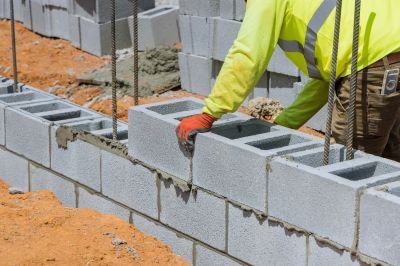
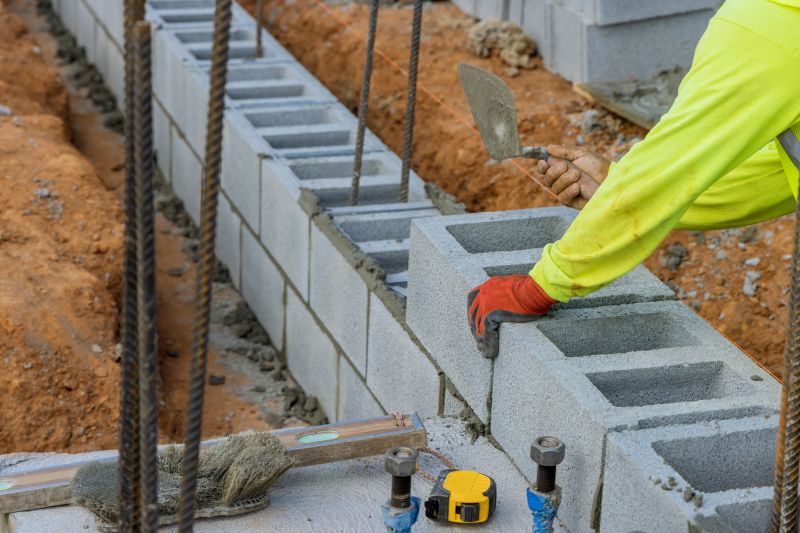
Concrete wall installation is a common project for property owners looking to enhance security, define property boundaries, or improve privacy. Whether constructing a new retaining wall to manage landscape elevation or installing boundary walls to mark property lines, local contractors are equipped to handle these straightforward needs efficiently. Many property owners seek these services to increase curb appeal, prevent soil erosion, or create functional outdoor spaces for activities and gatherings.
In addition to new builds, property owners might look for concrete wall services when repairing or replacing aging or damaged walls. Local service providers can assist with restoring structural integrity or customizing walls to match existing landscaping and architecture. These projects are often driven by practical considerations such as safety, property value, or aesthetic improvements, making it important to connect with experienced local contractors who understand the specific needs of the community.
What types of concrete walls can local contractors install? Local contractors can install various types of concrete walls, including retaining walls, perimeter walls, and decorative concrete walls, tailored to different project needs.
How do contractors prepare the site for concrete wall installation? Contractors typically assess the soil and site conditions, clear the area, and set a proper foundation to ensure stability and durability of the concrete wall.
What materials are used for concrete wall construction? Common materials include poured concrete, concrete blocks, and precast panels, depending on the design and structural requirements.
Are there specific permits required for concrete wall installation? Permit requirements vary by location; local service providers can help determine if permits are necessary for the project.
What maintenance is needed for concrete walls after installation? Concrete walls generally require minimal maintenance, but periodic inspections for cracks or damage are recommended to ensure longevity.
Garden and Yard Privacy - Installing a concrete wall can create a private outdoor space for relaxing or entertaining. Local contractors can help design and build a barrier that fits the property’s layout.
Property Boundary Marking - Concrete walls can serve as clear boundary lines to define property lines and prevent disputes. Service providers can assist with installing durable, long-lasting markers.
Retaining Wall Construction - A concrete retaining wall can help manage soil erosion and level uneven terrain on a property. Local pros can handle the installation to support landscaping projects.
Security and Safety Barriers - Concrete walls can act as sturdy barriers for added security around a home or commercial property. Contractors can help install walls that enhance safety and deter intruders.
If you are thinking about Concrete Wall Installation for a property, this guide is meant to help you understand the work, the typical project types, and how different options might fit your plans.
When you are ready, you can use the quote form on this page to share a few details about your project. From there, local pros can review the basics and respond with options that match what you have in mind.